.png)
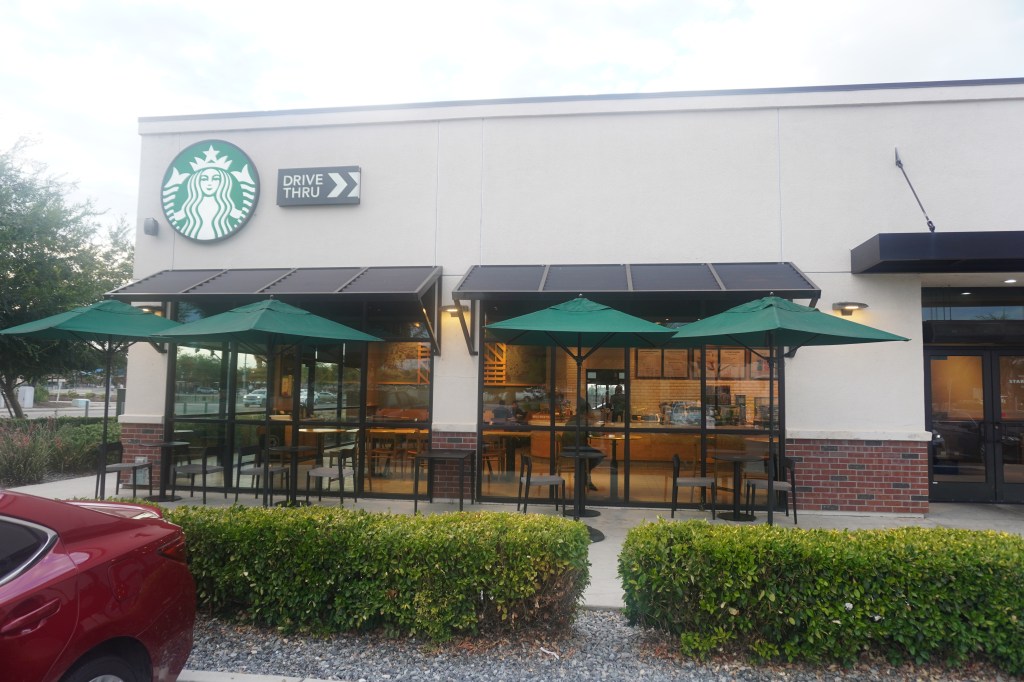
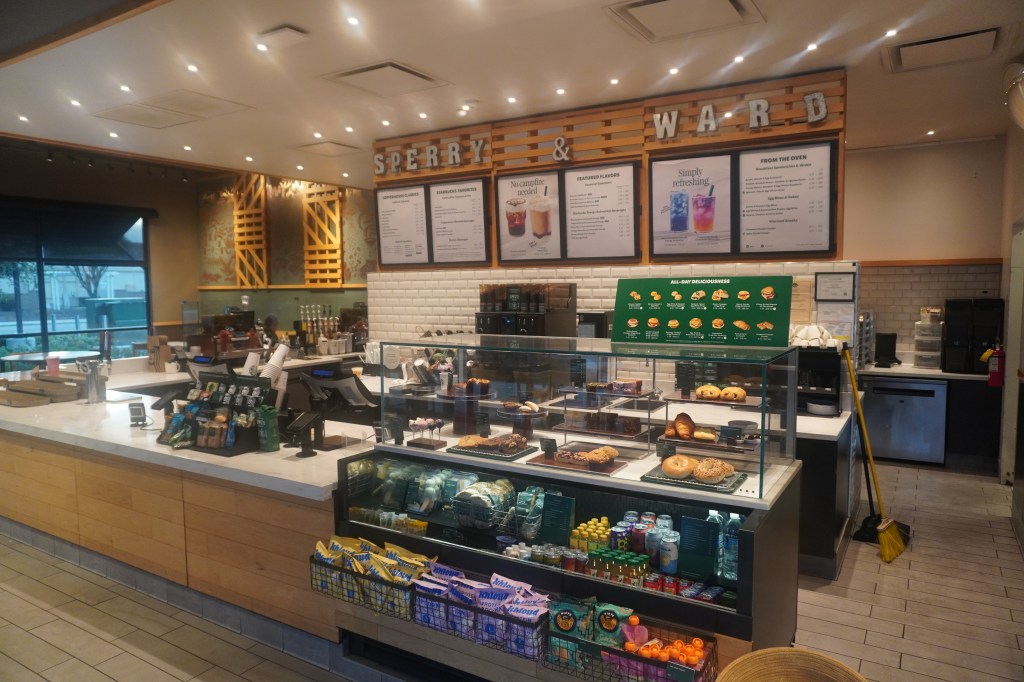
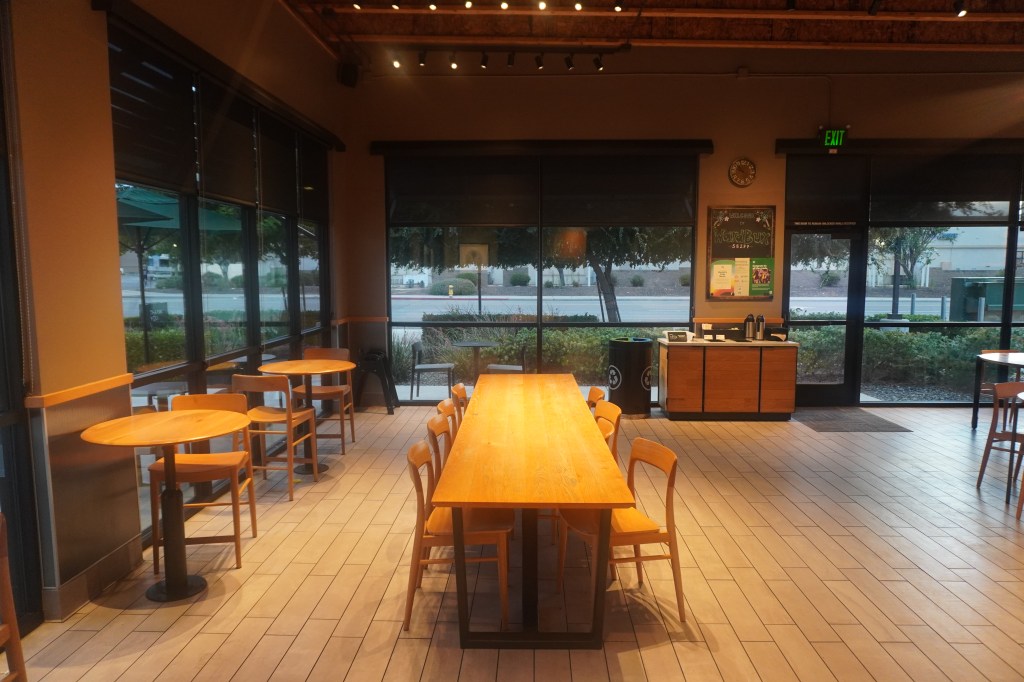
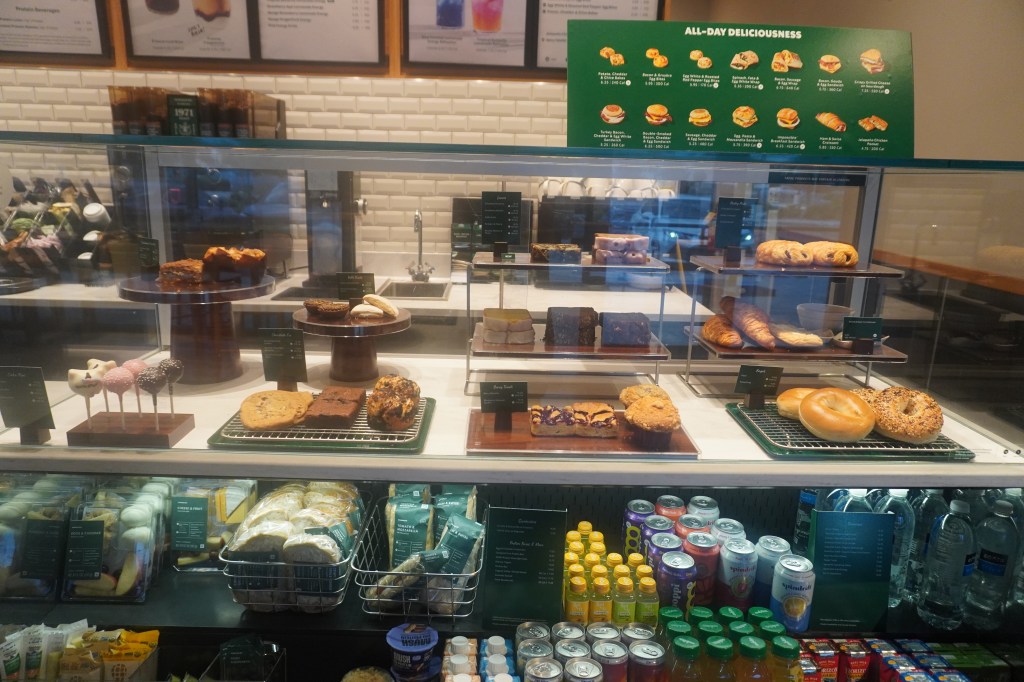
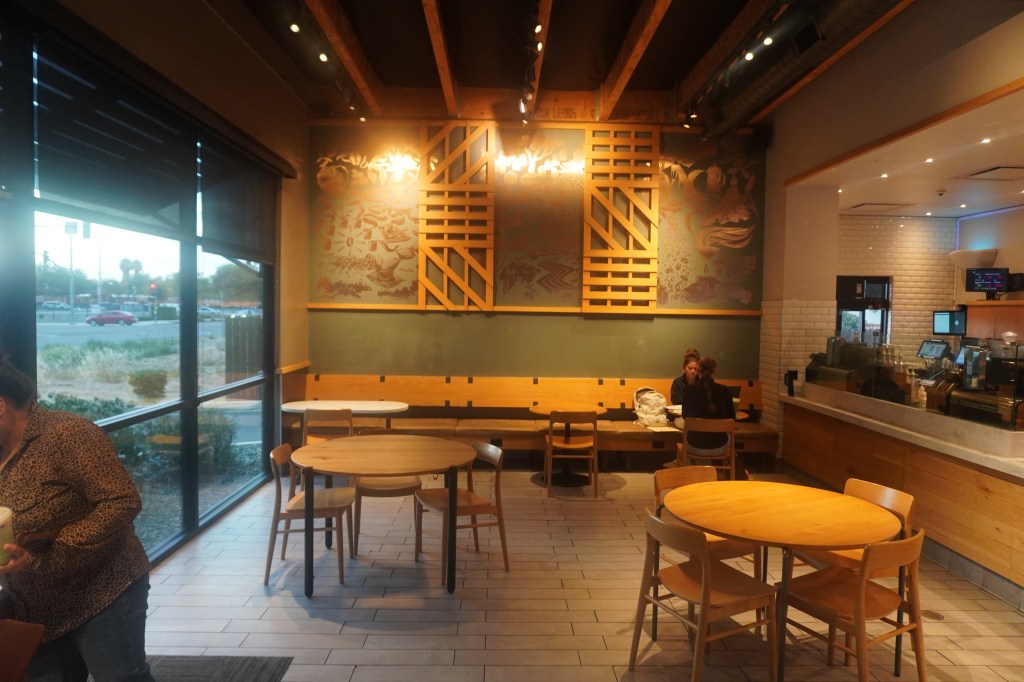
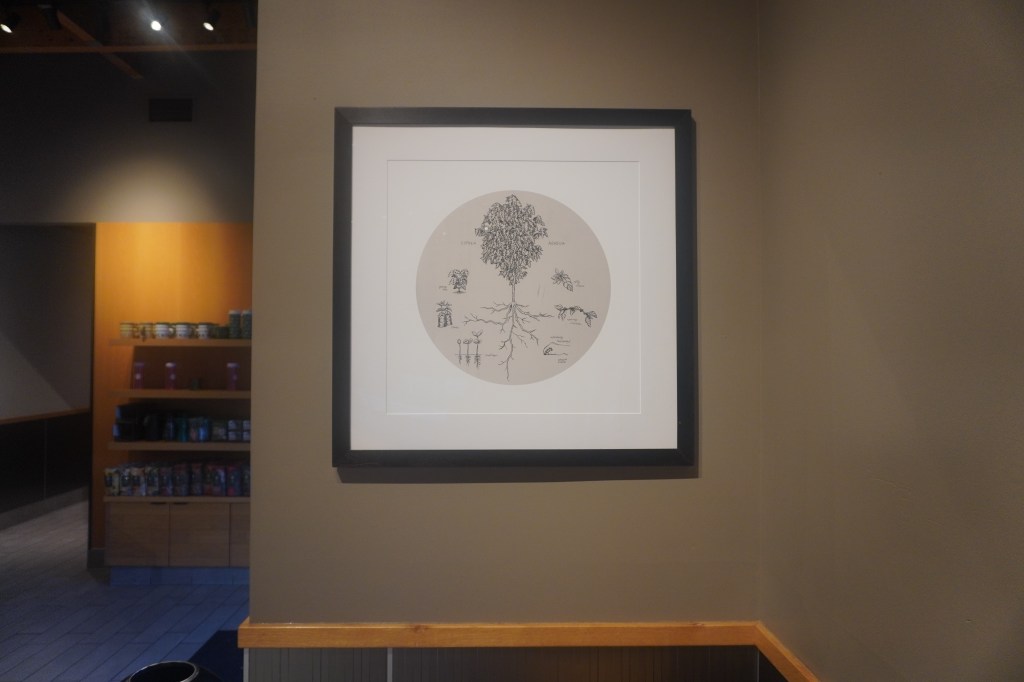
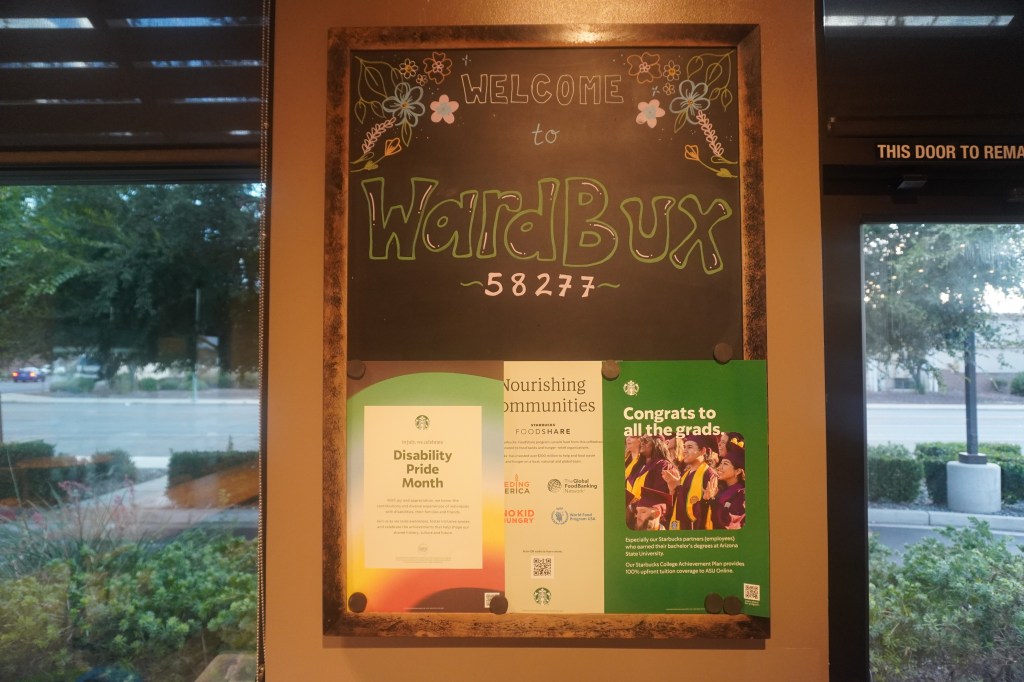
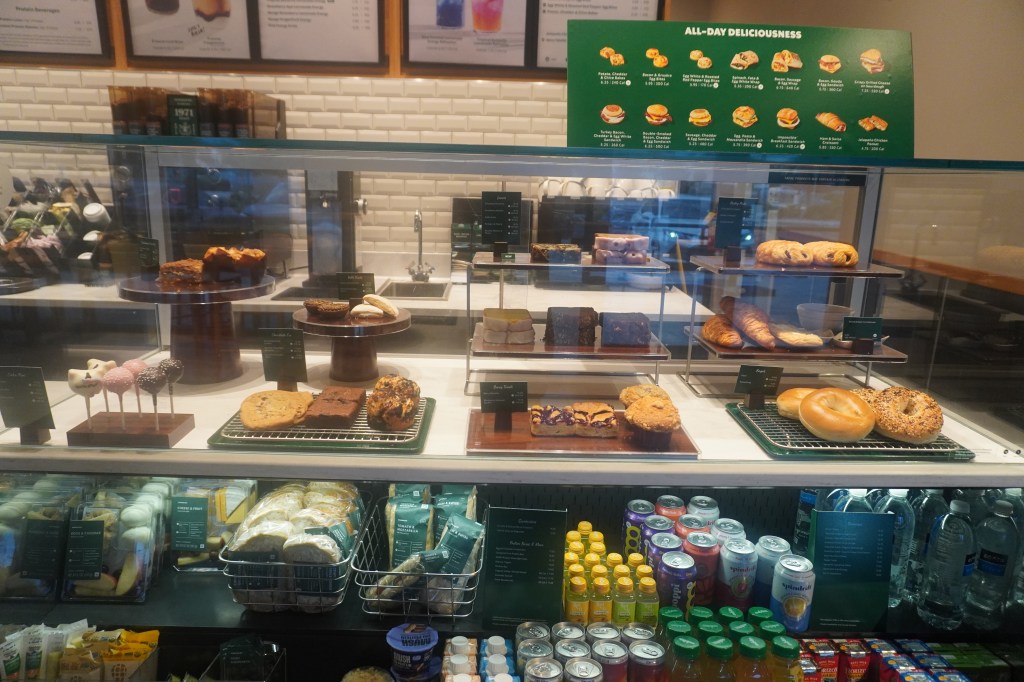
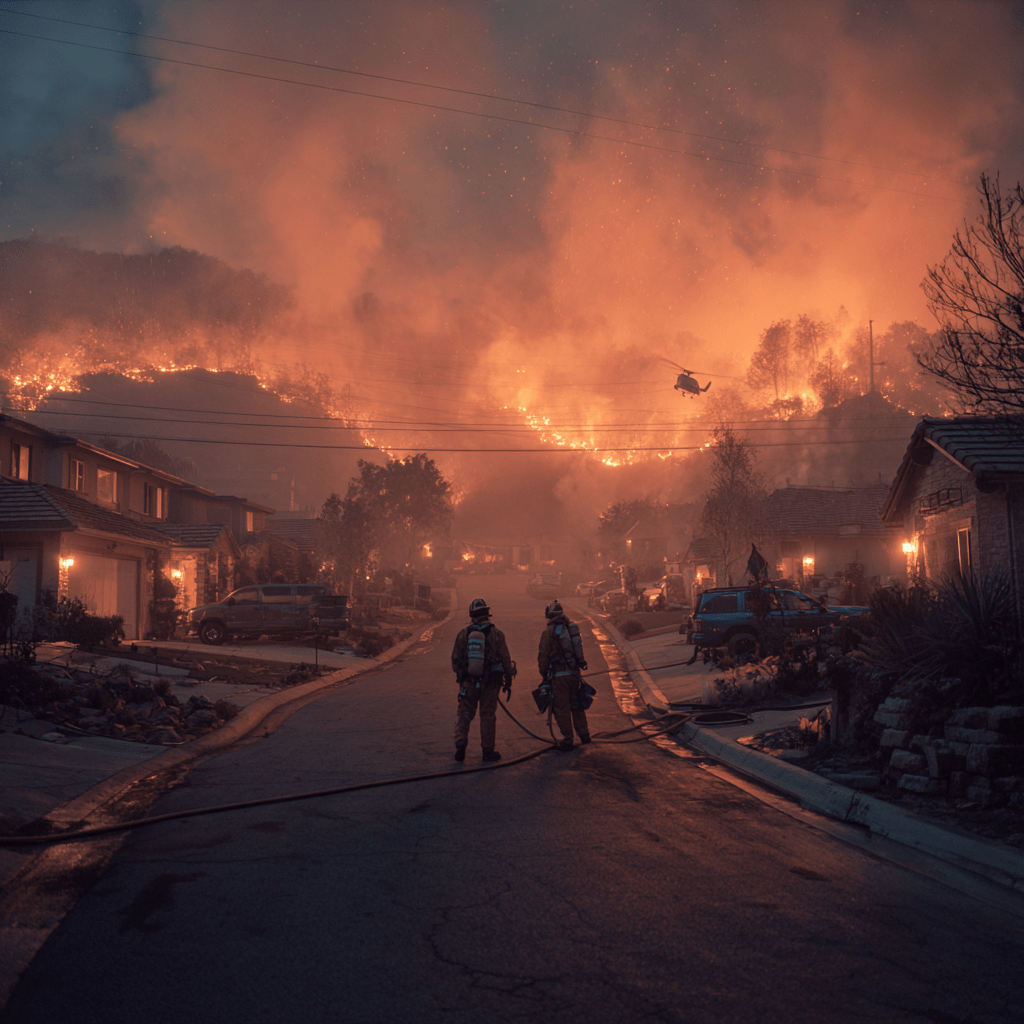
I believe this was my strongest photograph because it captured the main subject in a natural moment while providing context for the story. The composition directs the viewer’s attention to the most important element without unnecessary distractions. Good lighting and framing helped create an image that complemented the written article while encouraging readers to continue through the photo story.
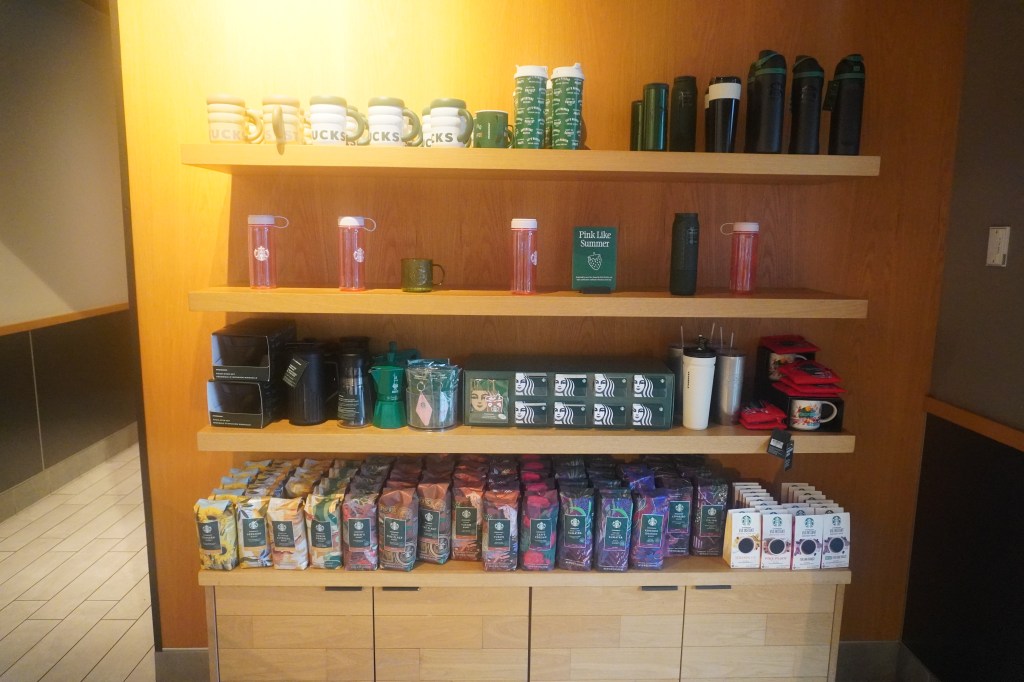
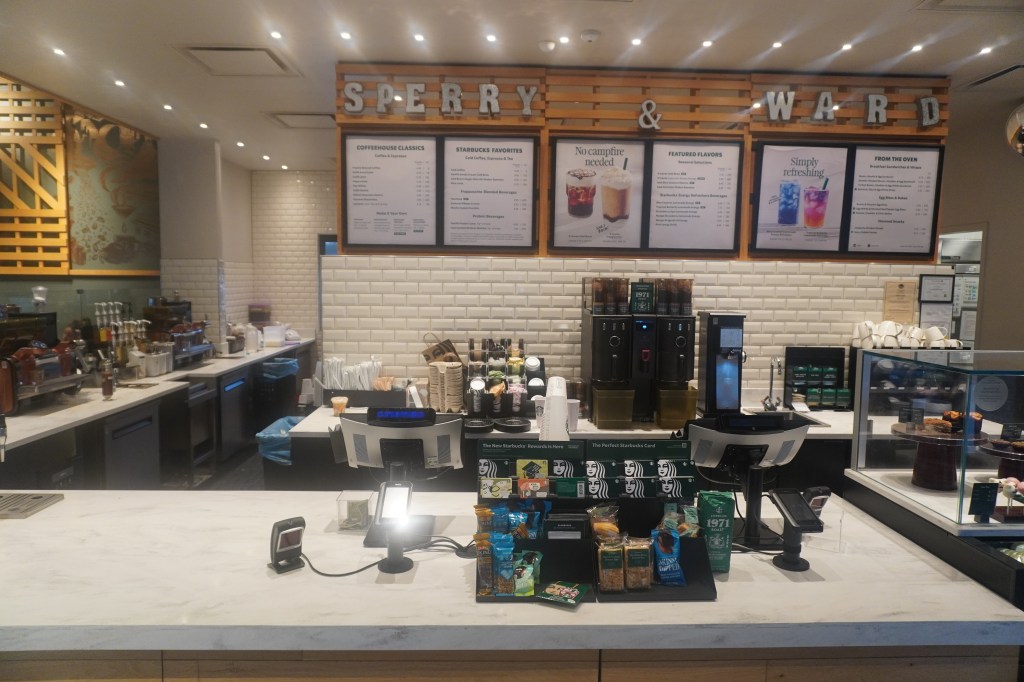
The order of my photographs was designed to tell the story from beginning to end. I started with an establishing image to introduce the location, followed by photos showing important details, interactions, and supporting visuals before ending with a concluding image that reinforced the overall message. This sequence helped create a clear visual narrative that supported the written reporting.
This assignment taught me the importance of planning photographs before arriving on location. I also learned to capture a variety of wide, medium, and close-up shots instead of relying on similar compositions. In future assignments, I plan to pay closer attention to lighting, storytelling, and capturing candid moments that better illustrate the people and events behind the story.
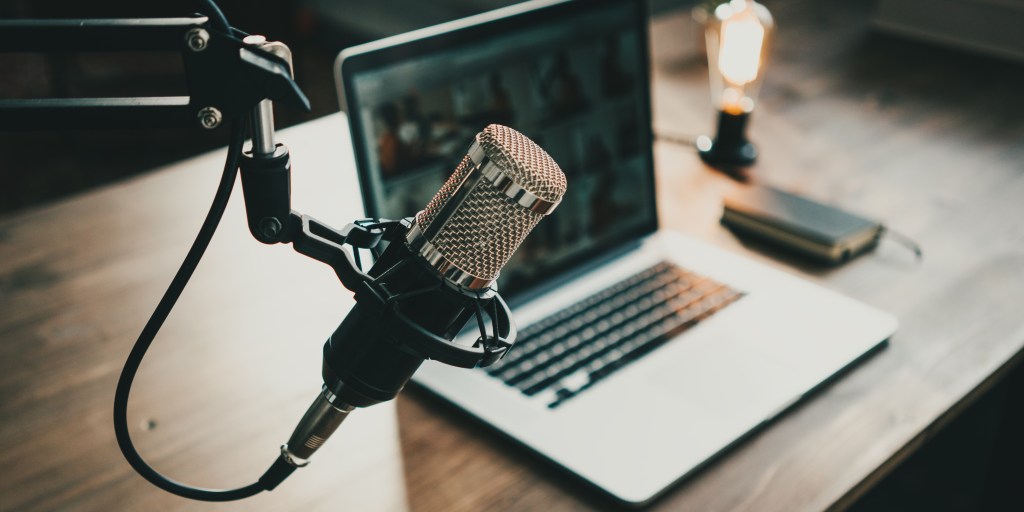
Part II – Assignment 3 Podcast Story Idea
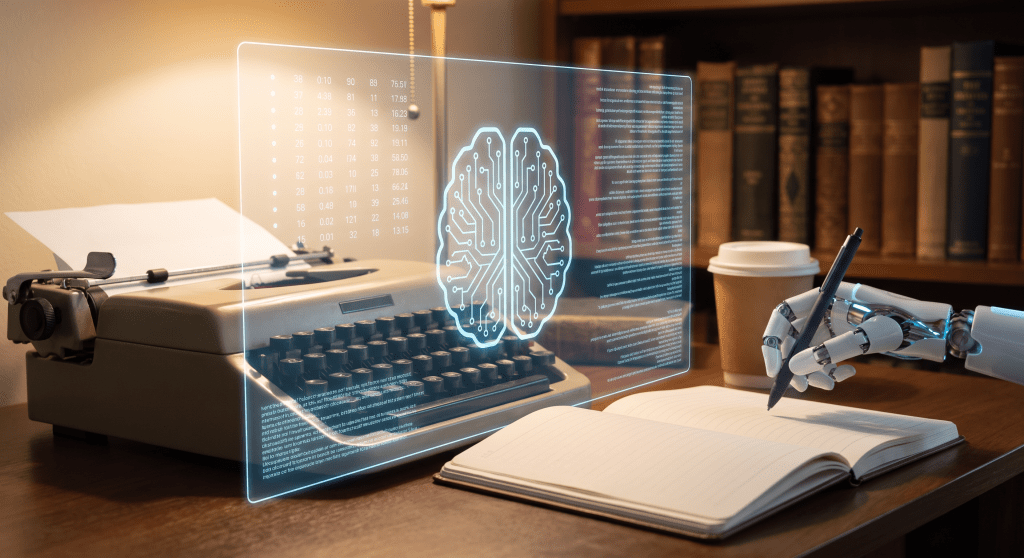
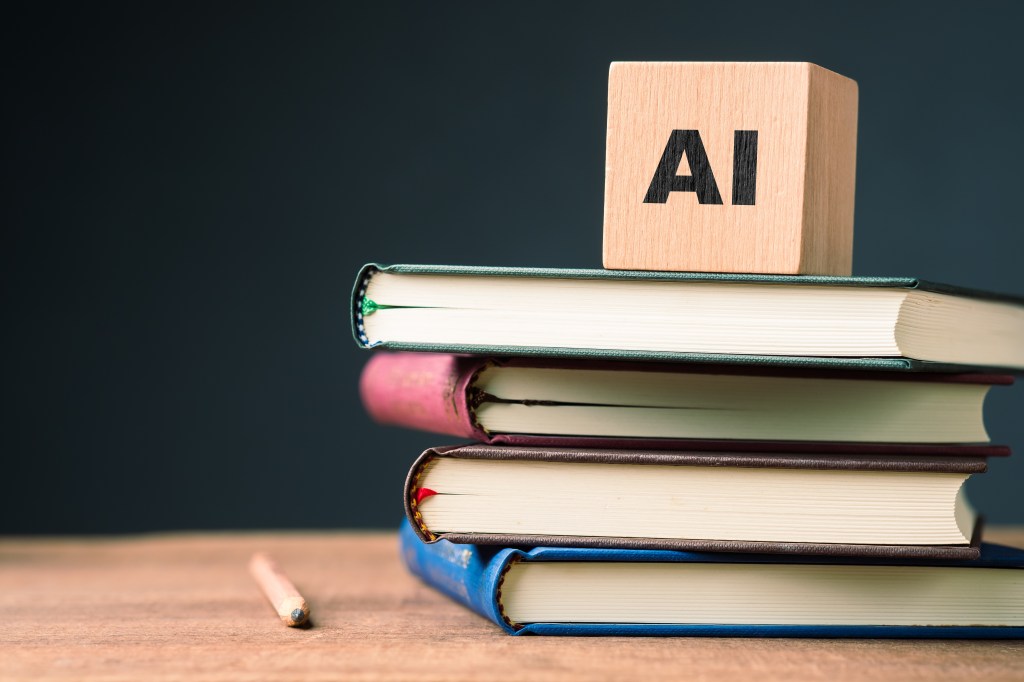
For Assignment 3, I plan to interview a local author, independent publisher, creative writing instructor, or librarian who has experience using artificial intelligence writing tools such as ChatGPT, Sudowrite, Grammarly, or ProWritingAid.
The interview will explore how AI can assist writers in developing story ideas, outlining novels, overcoming writer’s block, editing manuscripts, and organizing large writing projects. The conversation will also examine where human creativity remains essential, along with ethical concerns involving originality, copyright, transparency, and AI-generated books entering today’s publishing market.
This story is newsworthy because artificial intelligence is rapidly changing how books are created. According to the Pew Research Center, many Americans are aware of generative AI, and public discussion surrounding its impact on education and creative industries continues to grow. Meanwhile, the Authors Guild has raised concerns regarding copyright and the use of authors’ works for training AI systems, making this an important issue for writers and publishers. The publishing industry is increasingly adopting AI-powered tools to improve editing, marketing, and production workflows while balancing concerns about creativity and intellectual property. As AI becomes more accessible, understanding how it complements—not replaces—human authors has become an important topic for readers, writers, and publishers alike.
Sources
Full Sail Online Library (example database):
- Nexis Uni – Search for: “Artificial Intelligence AND Publishing Industry” or “Generative AI and Authors” (Access through the Full Sail Online Library)
Additional Sources
- Pew Research Center – How Americans View Artificial Intelligence
https://www.pewresearch.org/topic/science/artificial-intelligence/ - Authors Guild – Artificial Intelligence Resources
https://authorsguild.org/issues/artificial-intelligence/ - Association of American Publishers – Industry news on publishing and AI
https://publishers.org/
Examples of Excellent Audio Journalism
- NPR: https://www.npr.org/
- NPR One: https://one.npr.org/
- This American Life: https://www.thisamericanlife.org/



 Inside Literature's Finest