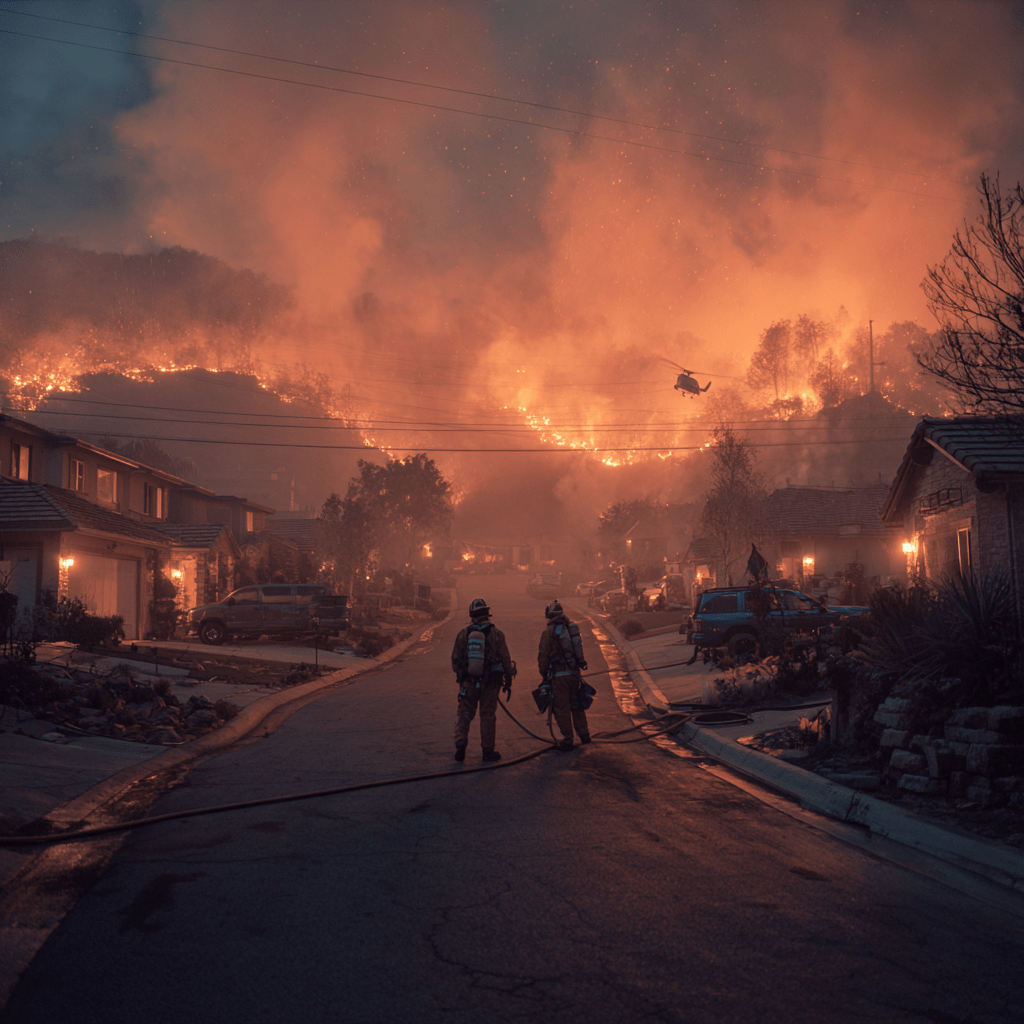
California’s Growing Wildfire Crisis
The wind in late summer blew quickly across the parched hills, bringing alongside it the smell of ignited heat and something even sharper: smoke that hadn’t yet reached the town but would soon. By the time the first alarms rang out in the valley, the fire had already reached the tops of trees kilometers away, propelled fast by strong winds that firefighters would later say were like a freight train.
Climate Change and Longer Fire Seasons
Scientists say that California’s wildfire seasons have gotten longer and more deadly because of climate change, which is causing droughts to get worse and temperatures to rise. What was once considered a seasonal risk is now a constant threat that is changing life all over the state.
Fires That Spread Within Hours
A recent event showed how quickly these fires can get out of hand. In early 2026, the Springs Fire started in Southern California and burned more than 4,100 acres.
The Destruction of the Palisades Fire
The damage was significantly worse the year before. In January 2025, the Palisades Fire in Los Angeles County tore across neighborhoods, destroying thousands of buildings and forcing more than 100,000 people to evacuate. Strong Santa Ana winds intensified the flames, turning the fire into one of the worst disasters in the city’s history.
Escaping With Only What Matters
For residents, the experience often happens with little warning. An alert on the phone. A knock at the door. A sky turning an unnatural shade of orange. Families gather what they can—important papers, photographs, and pets—before leaving behind homes they spent years building.
Firefighters on the Front Lines
Firefighters on the front lines, led by CAL FIRE, battle through extreme conditions. Crews carve containment lines into rough terrain, endure dangerous heat, and depend on aerial support to slow the spread of flames. Still, modern wildfires often move faster than emergency responders can react.
The Lasting Impact After the Flames
The effects do not end once the fires are extinguished. Survivors face displacement, rebuilding costs, and uncertainty about the future. Smoke drifts across large regions, damaging air quality far beyond the burn zones. Ecosystems are left scarred, with wildlife habitats destroyed and landscapes permanently altered for years.
Communities Rebuilding After Disaster
Even after devastation, communities continue to rebuild. Neighbors support one another, relief efforts begin to take shape, and recovery slowly starts. Yet new fires continue to ignite across California, with hundreds already reported throughout 2026, reminding residents that the threat is far from over.
 InsideLiterature'sFinest
Leave a comment